


Description
Mardi Himal Peak Climbing
- Kathmandu arrival – Pokhara
Drive from Kathmandu to Pokhara [820m/2690ft] [5-6 hours drive]. along the scenic zigzag hilly roads that takes approximately five to six hours. Pokhara is a beautiful town set on the banks of the Fewa Lake. - Pokhara – Hyenja – Gyachok
Drive from Pokhara to and Trek to Gyachok [45Min Drive & 3-4 hrs Trek]. We will take another short drive towards the village of Hyenja [1030m/3378ft]– the starting point of the trek. Following the trail that goes along the bank of Mardi Khola before crossing the river. We will continue our trek along the banks Seti Khola, passing through beautifully terraced farmlands to reach the village of Gyachok [1420m/4657ft]. It is alltogether 45 min drive and 3 to 4 hours of walk. - Gyachok – Sano Khoban
We will continue to trek higher up through paddy field terraces towards the village of Dhiprang. We will pass along two more villages – Mirsa and Kaduwa, which are the last settlements that we will come across. Thenafter to the destination of the day, Sano Khoban [1600m/5248ft] [5-6 Hrs Trek]. - Sano Khoban – Pipa
Trek from Sano Khoban to Pipa [3150m/10332ft] [4-5 Hrs Trek]. We will make a steep climb through the dense forest. Ascend into higher altitude through dense forest until we reach towards a break out point into the open air. During our up-hill struggle one will have opportunity to spot several species of birds and wild animals. - Pipa
Acclimatization/Exploration day at Pipa. Acclimatization is very essential especially in higher altitudes. Explore Pipa. - Pipa – Thulo Kharka
Trek from Pipa to Thulo Kharka [4120m/13513ft] [5-6 Hrs Trek]. After spending a good acclimatization day at Pipa, we will continue our trekking that climbs up the ridge line with striking views of Manaslu Himalayan ranges to the East and the Annapurna and Dhaulagiri Himalayan ranges to the West. - Thulo Kharka – Mardi Himal Base Camp
Trek from Thulo Kharka to Mardi Himal Base Camp [4100m/13448ft] [2-3 Hrs Trek]. The entire route connecting Mardi Himal Base Camp is visible from our campsite at Thulo Kharka. Leaving Thulo Kharka we will follow the trail towards the base camp that takes approximately around 2 – 3 hours of walking. Mardi Himal Base Camp is situated in the valley between the south and southeast ridges of Mardi Himal. - Mardi Hiimal Base Camp – High Camp
Climb to Mardi Himal High Camp [4650m/15252ft] [2-3 Hrs Trek]. We will leave the base camp and start climbing steeply up for 200 meters and then traverse around the south-east ridge. From there we will continue to make a steady climb over the rocks and perhaps with some snow towards a good camping site. As soon as we reach our campsite, we will set up our camps, check that everyone is properly acclimatized and make necessary arrangements of the climbing equipment’s for climbing the summit the next day. - Summit – Base Camp
Summit Mardi Himal [5587m/18325ft] and descend to Base Camp [7-8 Hrs Climb]. We will start early for the successful climb, as the strong winds after midday will make it almost impossible to summit the peak. The first part of the climb leads to the East Col at 5400 meters between Mardi Himal and Machhapuchhre (Fish-Tail) which is approximately 4 hours of tiring climbing. Using our climbing equipments and following the footsteps of our experienced climbing experts we will make a very long snow climb which is not steep but very tiring. So, resting every now and then is very important as we head towards the top of the Col. From here it will take about one more hour of climbing over a pleasant snow ridge to the top of the summit. Once at the summit, one feels like rewarded with great views of Annapurna mountain ranges and surrounding high peaks. - Base Camp – Korchon.
Trek from Base Camp to Korchon [3680m/12070ft] [5-6 Hrs Trek]. From the base camp we will follow the trail that traverses around the south ridge towards a col at 4280 meters with magnificent views of surrounding high peaks. Along with the great views we continue to trek towards the grazing pastures of Korchon where we will camp for our overnight stay. - Korchon – Riban
Trek from Korchon to Riban [1780m/5838ft] [5-6 Hrs Trek]. Leaving the pastures of Korchon we will descent steeply downhill towards the col below Odane Hill. During our trek today, we will have magnificent views of Machhapuchhre, Annapurna I, Annapurna II, Annapurna IV, Manaslu, Annapurna South, Hiunchuli, Himalchuli and Dhaulagiri. We will continue to follow the ridge line that heads south and passing through dense forest we will arrive at Riban. - Riban – Hyenja – Pokhara
Trek to Hyenja and drive back to Pokhara [3 Hrs Trek and 45 Min Drive]. From Riban it is a pleasant walk as we pass through Lachock. From there we will cross the Mardi Khola and Mardi Pul to reach Hyenja. From Hyenja we will take a scenic drive over zigzag hilly roads that will take us back to Pokhara. Pokhara is home to thick forest, emerald lakes and a place of remarkable natural beauty. The reflection of the Machhapuchre (Fish-Tail) Himal over the serene Fewa Lake makes this place truly magical. - Pokhara – Kathmandu
One can return to Kathmandu on the previous day. The schedule is flexible as according to the fly back schedule.
Mardi Himal Peak Climbing is located in the western part of Nepal, in Manang District. Mardi Peak is regarded as a beautiful and challenging trekking peak. You need a special permit and an experienced climbing guide, though previous climbing skill is not compulsory.
Mardi Himal Peak offers the chance to explore religious villages and an endless diversity of culture alongside spectacular mountain scenery. On the way towards the mountain you pass a col (a low point or pass between mountains) separating Mardi Himal from Machhapuchhre (Fishtail). The best thing about this trip is that the destination lies close to the city of Pokhara – probably the shortest trekking/climbing trip you can take in Nepal. Base camp sits at 4,100m, and once you pass the col and ascend a little further you reach High Camp. The rest of the journey to the summit is a spectacular one, with a roughly 45-degree incline.
People usually combine this climb with other trips in the Annapurna region to enjoy its diverse landscape, meet its vibrant people and spot wildlife. The Annapurna Base Camp trail is already well known for how magnificent it is – but the Mardi Himal Peak climb offers an equally heavenly experience. Standing at 6,100m, Mardi Peak is set among spectacular mountain scenery and enchanting slate-roofed settlements with a fascinating social culture. Aside from the summit itself, the maximum altitude reached on this trek is High Camp (4,650m). From this pass, Mardi Peak is the first mountain to the south, yet very little information is available about this breathtaking peak.
What’s Included
Cost includes:
- 2 nights at a deluxe hotel in Kathmandu, bed and breakfast
- Peak climbing permit and one climbing guide (Sherpa)
- National park entrance permit
- All airport transfers
- All meals during trekking and camping
- Lodge accommodation during the trek, basic camping arrangements during the climb
- Porters to carry your baggage (15-18kg per person)
- Accident insurance for staff
Cost excludes:
- Personal clothing
- Personal accident insurance, emergency evacuation cost, oxygen, medical kit
- Alcoholic beverages, laundry and tips
- Extra night’s hotel accommodation and sightseeing tour in Kathmandu (available on request)
Nepal Highlights:
Best time to visit Nepal – additional information on the “Mardi Himal Peak Climbing”
Nepal can be visited all year round, but a few natural hazards are worth noting: heavy flooding during the monsoon (mid-July to mid-August) and extreme cold in the high Himalaya (late November to mid-December). Nepal is a land of hills and mountains, and its high peaks are one reason the country is so rich in water resources – fast-flowing rivers and beautiful lakes. Heavy rain, or even several days of light rain, can cause flooding in the lowland Terai region, so extra caution is advised there during the monsoon. Away from the monsoon, the hill regions enjoy sunny days even in winter, making for a pleasantly mild travel season.
Seasons in Nepal – additional information on the “Mardi Himal Peak Climbing”
Nepal recognises six seasons: Basanta Ritu (spring), Grishma Ritu (early summer), Barkha Ritu (monsoon), Sharad Ritu (early autumn), Hemanta Ritu (late autumn) and Shishir Ritu (winter).
Outside the monsoon (early July to late August), any season is suitable for a trip – Yetiland-nepal.de advises against travelling in the Terai lowlands during the monsoon.
Summers can be hot, with temperatures ranging from around 25 to 40°C depending on location. In the upper Himalayan region, summer temperatures reach up to about 30°C, while the lower Terai plains in southern Nepal can see highs of 40°C or more.
Winter days are mostly sunny, with cold mornings and evenings. If you’ve experienced winter in Greece, the feeling in Kathmandu is similar – from mid-December the sun keeps days pleasantly warm, while evening temperatures can drop to around 5°C. In the high Himalaya, however, temperatures fall well below 0°C.
Buddha was born in Nepal – additional information on the “Mardi Himal Peak Climbing”
This is a matter of pride for Nepalis: neighbouring countries, India in particular, sometimes claim Buddha’s origins lie there, which stirs up debate from time to time. In fact, Buddha was born in Nepal.
Well worth a visit is Lumbini, his birthplace southwest of Kathmandu. The prince who left his palace in search of lasting peace and meaning in life attained enlightenment (Nirvana) there. His teachings have since spread across the world and are followed by millions of people; in modern Western society too, Buddhism and meditation – a path to self-awareness and inner peace – have become popular everyday practices.
Take a look at our tours that include a visit to Lumbini.
8 of the world’s 10 highest mountains are in Nepal – additional information on the “Mardi Himal Peak Climbing”
Nepal is home to 8 of the world’s 10 highest mountains: Mount Everest (8,848m), Kanchenjunga (8,586m), Lhotse (8,516m), Makalu (8,485m), Cho Oyu (8,188m), Dhaulagiri (8,167m), Manaslu (8,163m) and Annapurna I (8,091m). Yetiland-Nepal offers three categories of trip in these regions: Expedition – climbing an eight-thousander (for experienced professionals only); Trek – trekking through the same region at much lower altitude (ideal for those who want to experience Nepal’s mountains without climbing them); and Holiday – for enjoying Nepal’s nature, scenery and leisure activities.
One of the world’s most dangerous airports
Lukla Airport, the gateway to the Everest region, is considered one of the most dangerous airports in the world. Wedged between steep hills, it makes for a genuinely challenging landing and take-off. Pilots speak of a “point of no return”, beyond which all preparation and technical alignment must already be complete to bring the aircraft in safely. Thousands of passengers fly in during peak season each month – a truly unique experience. Thanks to their extensive experience across almost all of Nepal’s hill regions, Nepali pilots rank among the most skilled in the world.
New Year in Nepal – additional information on the “Mardi Himal Peak Climbing”
Nepal follows its own calendar, the Vikram Sambat. Nepali New Year falls around mid-April, marking the start of the Nepali summer. People also follow the lunar calendar for religious festivals and family celebrations. As Nepal is home to many ethnic groups, each with its own history, several local New Year dates exist side by side – a well-known example is Losar, celebrated among others by the Sherpa community.
Nepal’s unique flag – additional information on the “Mardi Himal Peak Climbing”
Nepal’s flag is the world’s only non-rectangular national flag, formed of two stacked triangles bearing the sun and the moon. These symbols reflect the character of the Nepali people: the moon for humility, the sun for courage. Nepalis are famed for their hospitality towards visitors – in the hill regions, hosts will traditionally slaughter their own livestock (such as chickens or goats) to honour guests. To this day, many Nepali soldiers, known as Gurkhas, serve in armies around the world.
A one-of-a-kind weapon
The handcrafted khukuri knife is world-famous and originates from Nepal. Carried by Nepali soldiers and used in both World Wars, it is credited in veterans’ accounts with contributing to the legendary fighting prowess of the Gurkha regiments. A khukuri also makes an excellent souvenir.
Suspension bridges – additional information on the “Mardi Himal Peak Climbing”
Nepal is famous for its many suspension bridges spanning valleys between its hills, long a practical way of life for people in the mountainous regions. The idea even inspired Germany’s own Geierlay suspension bridge in Rhineland-Palatinate, built as a nod to Nepal’s example.
Landslides
As a very hilly country, Nepal is prone to flooding and landslides during the monsoon, especially in the lower-lying Terai region with its year-round vegetation. The combination of Nepal’s fast-flowing rivers and sustained monsoon rain can trigger landslides in the hill regions, so travel during the monsoon season is best avoided.
Earthquakes
Nepal sits in a zone of high seismic risk. This doesn’t mean major earthquakes happen constantly, but history shows a serious quake roughly every 50 years. The cause lies beneath the surface: the Indian Plate shifts about 5cm against the Eurasian Plate every year, gradually pushing the Himalaya upward over millions of years. The April 2015 earthquake (magnitude 7.8, at a depth of 8.2km) was one of the most recent major quakes, causing severe economic and geographic damage, killing around 9,000 people and injuring roughly 22,000.
Flying in Nepal
Nepal’s civil aviation is regulated by the Civil Aviation Authority of Nepal: CAAN – Nepal.
A number of airlines operate in Nepal, including Yeti Airlines, Buddha Air, Himalaya Airlines, Simrik Airlines, Nepal Airlines, Saurya Airlines, Shree Airlines, Sita Air, Summit Air and Tara Air.
Private helicopter charters are also available, including through Air Dynasty, Simrik Air, Prabhu Helicopters, Altitude Air, Fishtail Air, Manang Air, Makalu Air, Kailash Helicopter Services and Heli Everest.
Airports in Nepal
Numerous domestic airlines operate flights throughout the year. Nepal stretches roughly 880km along the Himalayan axis and 150–250km across, covering a total area of 147,516km². With an average domestic flight time of just 1.5–2 hours, all major airports are reachable within a maximum of 3 flying hours: Tribhuvan International Airport (Kathmandu), Tenzing-Hillary Airport (Lukla), Pokhara Airport, Simara Airport, Bharatpur Airport, Biratnagar Airport, Surkhet Airport, Nepalgunj Airport and Jomsom Airport.
Of these, Lukla Airport is considered one of the most dangerous in the world – a unique experience that thousands of travellers still make every month. When you book a complete package with Yetiland-Nepal, you don’t need to arrange any of this yourself.
Note that during winter (November to December), heavy morning fog often causes flight delays, and in some cases full-day cancellations after long waits. For this reason, Yetiland-nepal.de typically relies on tourist buses rather than domestic flights during this season.
Similar tour: Mustang Valley
More background on Mardi Himal
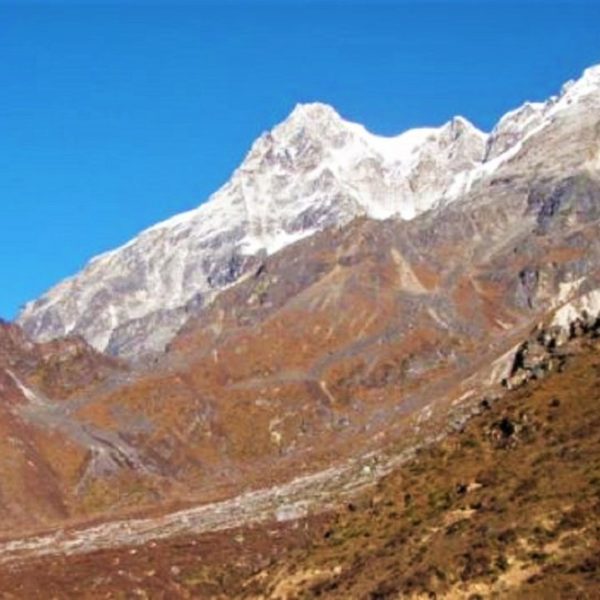
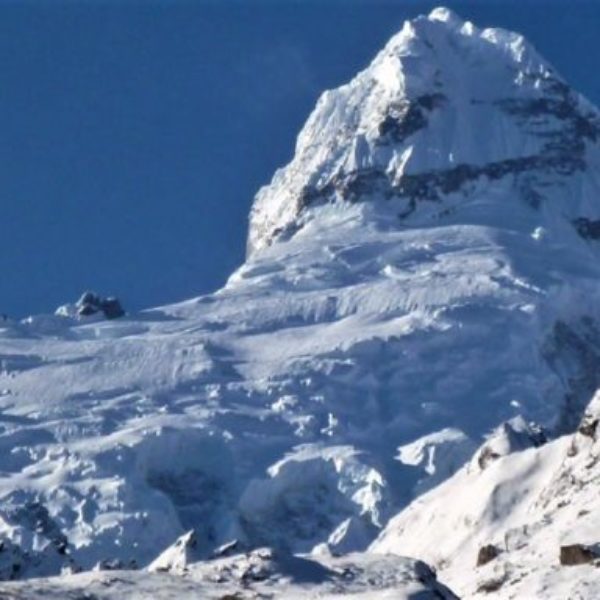
Related images for “Mardi Himal Peak Climbing”.



Reviews
There are no reviews yet.