



Description
:
Lobuche East Peak Climbing
- Kathmandu arrival
Arrival in Kathmandu (1,350m/4,428ft). - Kathmandu Sightseeing
Kathmandu (1300m/4264ft): Sightseeing and Preparation. - Kathmandu – Lukla – Phakding
Fly to Lukla (2,800m/9,184ft) then trek to Phakding (2,652m/8,700ft): 40 min flight, 3-4 hours trek. - Phakding – Namche Bazaar
Phakding to Namche Bazaar (3,440m/11,283ft): 5-6 hours. - Namche Bazaar
Namche Bazaar (3,440 m/11,283 ft): Acclimatization Day. - Namche Bazaar – Tengboche
Namche Bazaar to Tengboche (3,870m/12,694ft): 5- 6 hours. - Tengboche – Dingboche
Tengboche to Dingboche (4,360 m/14,300 ft): 5-6 hours. - Dingboche
Acclimatization Day. - Dingboche – Lobuche
Dingboche to Lobuche (4940 m/16,207 ft): 5-6 hours). - Lobuche – Everest Base Camp – Gorak Shep
Lobuche to Everest Base Camp (5364m/17,594ft) and back to Gorak Shep (5170 m/16,961ft): 6-7 hours. - Gorak Shep – Kala Pattha – Lobuche
Gorak Shep to Kala Patthar (5545m/18,192ft) and back to Lobuche (4940m/16,207ft): 7-8 hours. - Lobuche – Lobuche Base Camp
Lobuche to Lobuche Base Camp (4,950m/ 16240ft): 1-2 hours. - Lobuche Base Camp – High Camp
Lobuche Base Camp to High Camp (5,400m/17,712ft): 3-4 hours. - Lobuche High Camp – Summit – High Camp
Lobuche High Camp to Summit (6119m/20,070 ft) and back to High Camp: 8-10 hours. - High Camp – Pangboche
Lobuche High Camp to Pangboche (3930m /12900 ft): 8-9 hours. - Pangboche – Namche Bazaar
Pangboche to Namche Bazaar: 4-5 hours. - Namche Bazaar – Lukla
Namche Bazaar to Lukla: 6-7 hours. - Lukla – Kathmandu
Fly back to Kathmandu. - See off.
Final Departure. The “Lobuche East Peak Climbing” trip comes to an end.
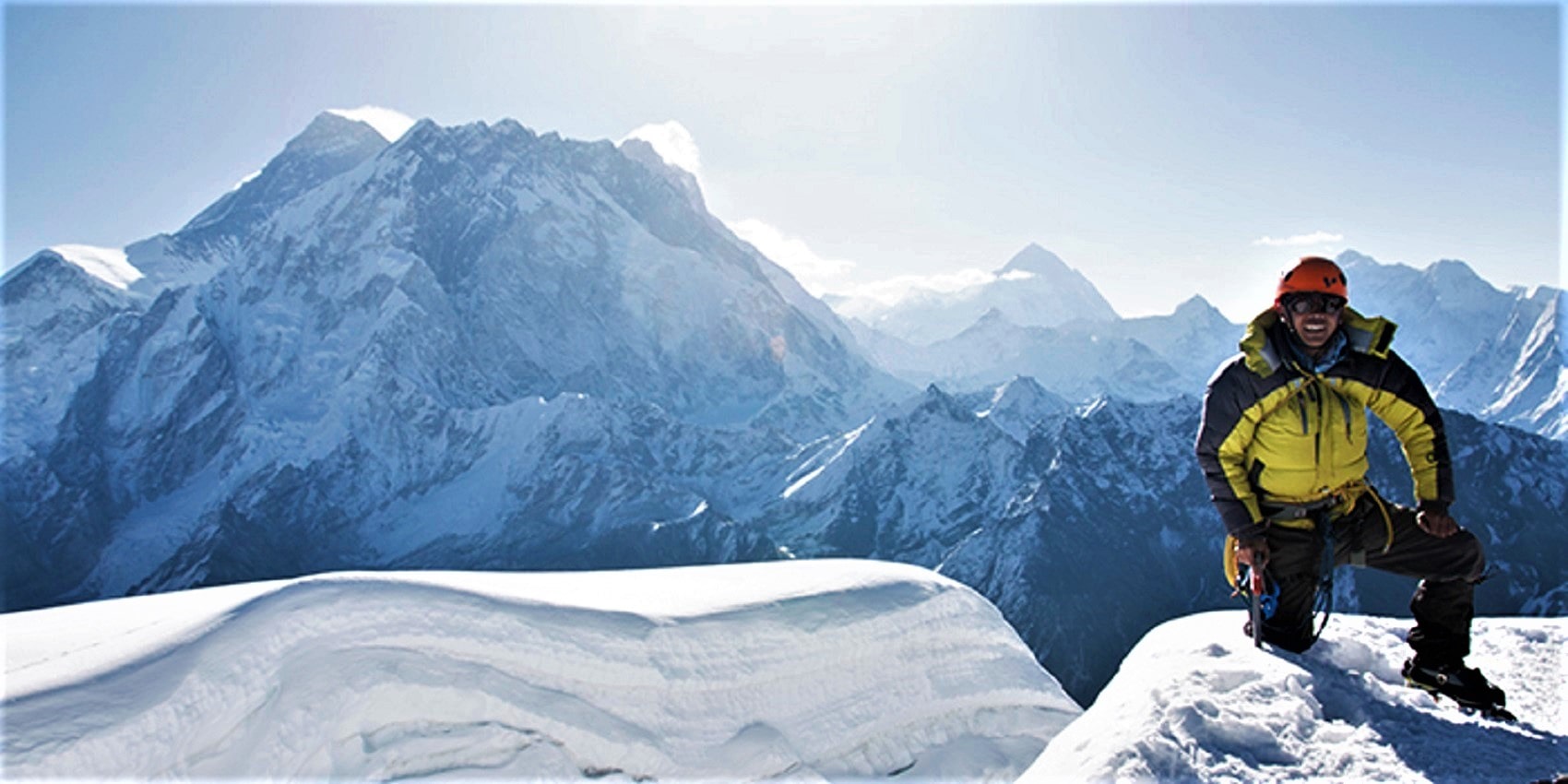
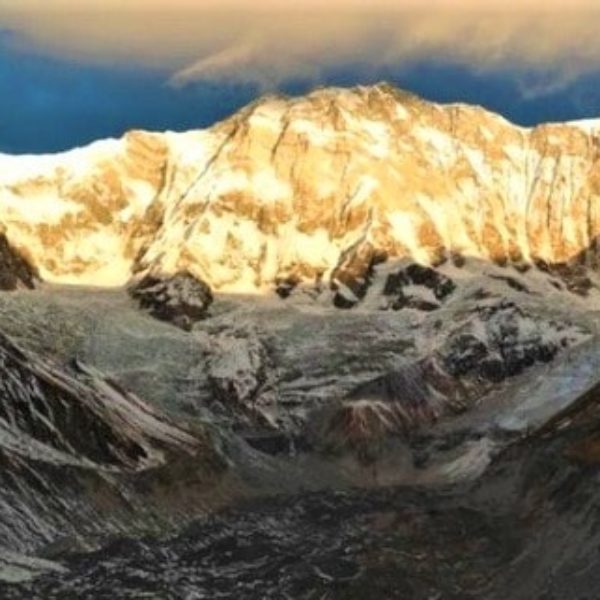
Lobuche East Peak Climbing takes place in the eastern Solukhumbu District of Nepal. Lobuche has two summits – East (6,119 m) and West (6,145 m) – connected by a continuous ridge. However, a sharp gap and considerable distance separate them, which is why they are rarely climbed together. Many aspiring Everest climbers summit Lobuche as an acclimatisation climb, since its summit sits at roughly the same altitude as Camp 1 on Everest, saving them at least one dangerous trip through the Khumbu Icefall.
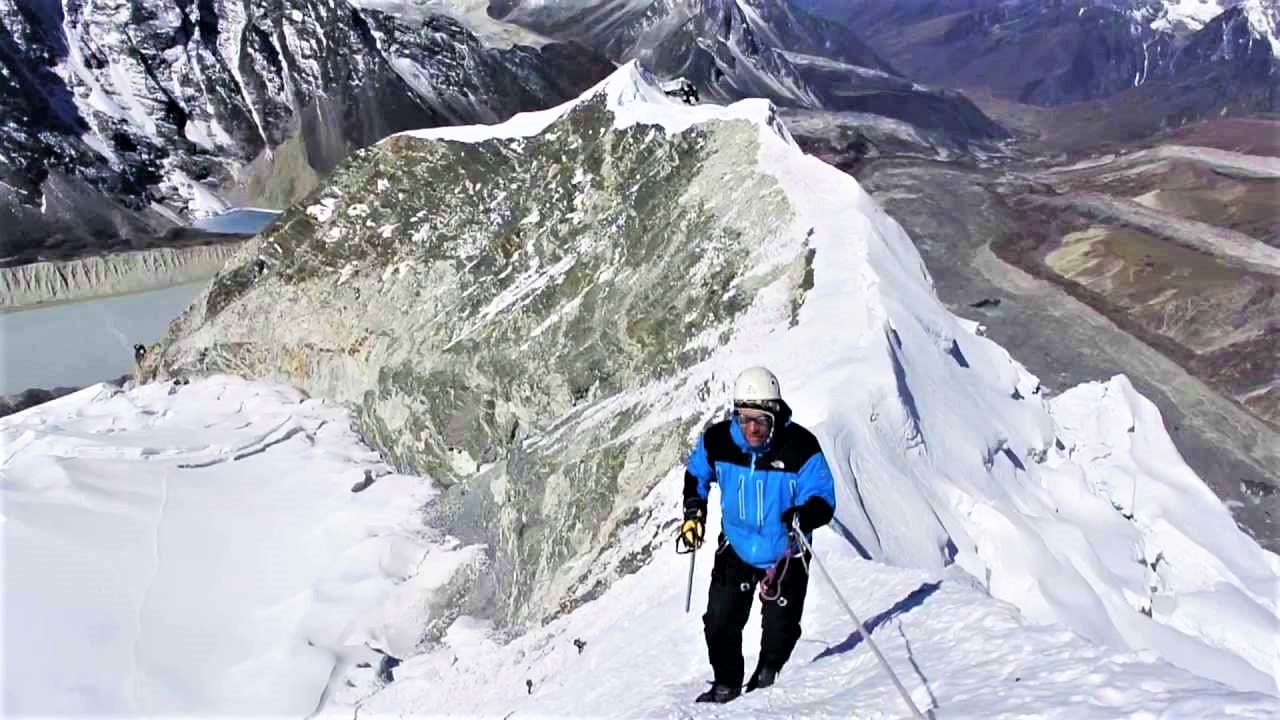
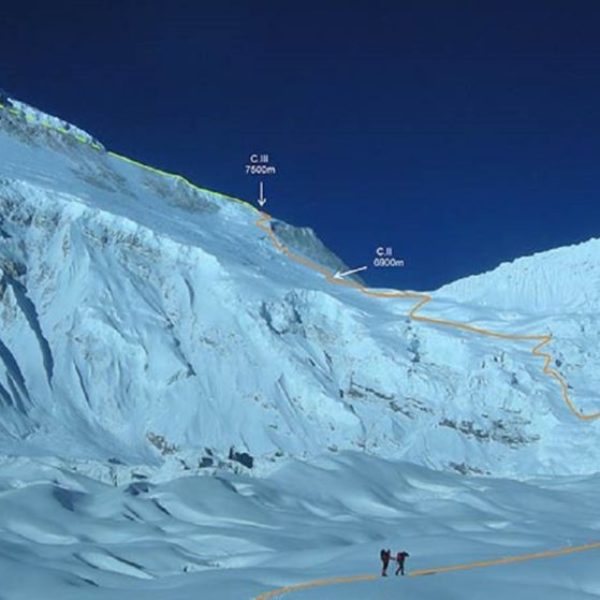
The most popular route is the South-East Ridge, graded PD+ on the Alpine Grading System. Most teams reach only the first (false) summit along the summit ridge. From high camp, the route climbs a series of increasingly steep rock slabs to reach the true South-East Ridge. About 50 m below the main ridge, the slabs give way to a 45-degree snow slope leading up onto the ridge itself, which begins at around 5,670 m – a possible site for a second high camp to make summit day easier. From there, the route follows the ridge, working around seracs and over several bumps to the first summit.
There are no major technical difficulties, though there is a real sense of exposure along the way. Between the false summit and the true summit lies a substantial descent, which often needs to be rappelled before the final 60 metres. The first recorded ascent of Lobuche East was made by Laurence Nielson and Ang Gyalzen Sherpa on 25 April 1984. For those seeking more technical climbs than the more popular trekking peaks, Island Peak, Pokalde Peak and Mera Peak are good options – see our other offers for those.
Nepal Highlights:
Holiday season in Nepal. Additional info regarding “Lobuche East Peak Climbing”.
Nepal can be visited at any time of year. That said, a word of warning: the country does see some natural hazards, such as severe flooding during the monsoon season (mid-July to mid-August) and extreme cold in the Himalayas (late November to mid-December). Nepal has both hills and high mountains, and those mountains are one of the reasons the country is so rich in water resources (fast-flowing rivers, beautiful lakes). Heavy or even moderate rain over 3-4 days can cause flooding in the lowland regions, so caution is needed when visiting those areas during the monsoon. Elsewhere, in the hill regions, outside of monsoon season the sun still shines during the day even in winter, making for a warm, pleasant and comfortable season to travel.
Seasons in Nepal. Additional info regarding “Lobuche East Peak Climbing”.
Nepal recognises six seasons: Basanta Ritu (spring), Grishma Ritu (early summer), Barkha Ritu (summer monsoon), Sharad Ritu (early autumn), Hemanta Ritu (late autumn) and Shishir Ritu (winter).
Aside from the monsoon (early July to end of August), every season is suitable for a holiday. Yetiland-nepal.de advises against travelling in Nepal’s lowland regions during the monsoon.
Summer can be hot, with temperatures rising to around 25-40°C depending on location.
In the upper Himalayan region, summer temperatures can reach up to 30°C, while in the lowland Terai region, mainly in the southern part of Nepal, they can reach as high as 40°C.
Winter is mostly sunny during the day and cold in the mornings and evenings. If you’ve experienced winter in Greece, it feels somewhat similar to winter in the capital, Kathmandu – though the two aren’t really comparable. From around mid-December, the sun keeps things warm during the day, while evening temperatures can drop sharply to around 5°C, and considerably below 0°C in the Himalayas.
Buddha was born in Nepal
This has become something of a rallying point for Nepalese people in recent times, since neighbouring countries – India in particular – sometimes claim that Buddha originated there. This occasionally stirs up considerable debate and controversy among Nepalese people. In fact, Buddha was born in Nepal.
Be sure to visit Lumbini, his birthplace in Nepal, located southwest of the capital, Kathmandu. The prince who left his palace in search of lasting peace and meaning in life ultimately reached nirvana, or enlightenment. Since then, his path has been followed and spread in various forms among millions of people around the world. Even in today’s modern, Western societies, Buddhism and meditation – a path to self-knowledge, lasting peace and ultimately nirvana – have become popular, everyday practices.
Take a look at our tours that include a visit to Lumbini.
8 of the 10 tallest mountains in the world are in Nepal. Additional info regarding “Lobuche East Peak Climbing”.
Nepal is home to 8 of the world’s 10 highest mountains: Mount Everest (8,848 m), Kanchenjunga (8,586 m), Lhotse (8,516 m), Makalu (8,485 m), Cho Oyu (8,188 m), Dhaulagiri (8,167 m), Manaslu (8,163 m) and Annapurna I (8,091 m). Yetiland-Nepal offers the following categories in these regions: Category: Expedition for booking a full expedition (suitable for professionals only). Category: Trek for trekking in the region (a relatively easier option, offering views of the mountains from a much lower altitude – ideal for people who want to experience Nepal without climbing the mountains themselves). Category: Holiday (purely for leisure activities and enjoying Nepal’s nature and beauty).
One of the most dangerous airports in Nepal. Additional info regarding “Lobuche East Peak Climbing”.
Lukla, one of the best-known airports on the route to Mount Everest, is considered one of the most dangerous airports in the world. Wedged between the hills, it poses a serious challenge for landing and take-off. Pilots say there is a “point of no return” before which all precautions and technical orientation must be completed to bring the aircraft safely in. During peak season, thousands of passengers fly through this region every month – a truly unique experience. Thanks to their extensive experience across almost all of Nepal’s hill regions, Nepalese pilots are highly skilled.
New Year in Nepal. Additional info regarding “Lobuche East Peak Climbing”.
Nepal has its own calendar system, known as Vikram Sambat – currently in the year 2077 (see date conversions for comparison). Nepali New Year falls around mid-April, which is also the start of summer in Nepal. People also follow the lunar calendar for religious processions, ceremonies and family celebrations. Various old legends explain the origins of the New Year. Nepal is a country of many different ethnic groups, each with its own ancient history, so different local New Year dates exist as well – a well-known example being Losar, observed by the Sherpa people.
Similar offer to Lobuche East Peak Climbing
Background info for Lobuche East Peak Climbing
Reviews
There are no reviews yet.