


Description
Tent Peak (Tharpu Chuli) Climbing (5,663 m)
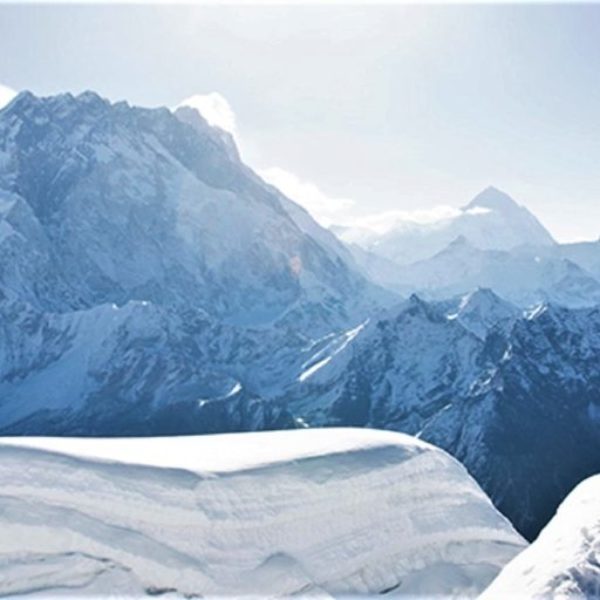
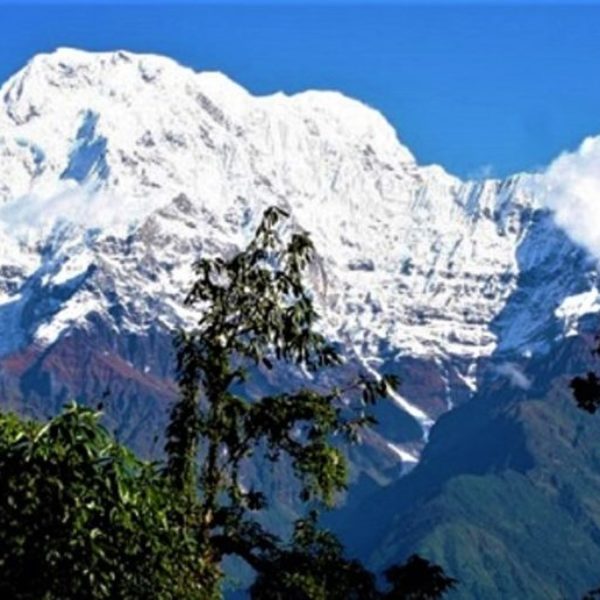
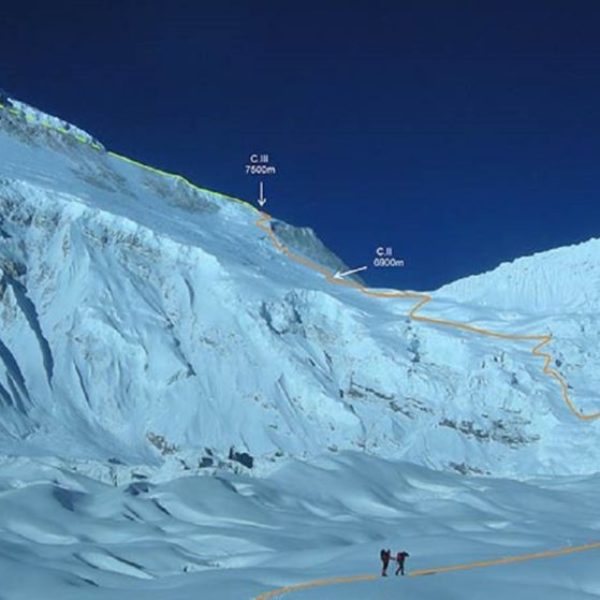
Tent Peak, also known as Tharpu Chuli, is a popular climbing objective just south of Annapurna Base Camp, right in the heart of the Annapurna Sanctuary. The summit stands at 5,663 m and was renamed “Tent Peak” by Jimmy Roberts in 1956. From the top, climbers are rewarded with sweeping views of Hiunchuli, Annapurna South, Annapurna I, II and III, Gangapurna and Machhapuchhre.
The route follows the Modi Khola valley through dense forest that shelters typical Himalayan wildlife, crosses alpine meadows and passes through culturally rich highland villages. The 18-day trip begins in the lakeside city of Pokhara, continues via Nayapul and Poon Hill to Annapurna Base Camp and on to Tent Peak Base Camp. The return route runs via Deurali, Chhomrong and Ghandruk back to Nayapul and on to Kathmandu. The best time to climb Tent Peak is March to June and September to November.
- Kathmandu Arrival
Arrive in Kathmandu, welcome dinner, overnight at the hotel. - Kathmandu
Cultural tour in Kathmandu / climbing preparation. - Kathmandu – Pokhara – Nayapul – Thikhedhunga
Drive to Nayapul and trek to Thikhedhunga. - Thikhedhunga – Ghorepani
Trek to Ghorepani. - Ghorepani – Tadapani
Morning excursion to Poon Hill, then trek to Tadapani. - Tadapani – Chomrong
Trek to Chomrong. - Chomrong – Dovan
Trek to Dovan. - Dovan – Machapuchare
Trek to Machapuchare Base Camp. - Machapuchare – Annapurna Base Camp
Trek to Annapurna Base Camp. - Annapurna Base Camp
Rest and acclimatisation day at base camp. - Annapurna Base Camp – Tent Peak Base Camp
Trek to Tent Peak Base Camp. - Tent Peak Base Camp – High Camp
Trek to High Camp. - High Camp – Tharpu Chuli – Base Camp
Summit the Tharpu Chuli peak and return to base camp. - Base Camp – Bamboo
Trek to Bamboo. - Bamboo – Jhino Danda
Trek to Jhino Danda. - Jhino Danda – Nayapul – Pokhara
Trek to Nayapul, drive to Pokhara, overnight at the hotel. - Pokhara – Kathmandu
Drive to Kathmandu / free time. - Departure from Kathmandu
Trip end / departure. This concludes the Tent Peak (Tharpu Chuli) Climbing programme.
Services
Cost includes:
- All arrival and departure transfers to/from domestic and international airport, plus other necessary surface transport per itinerary
- Assistance from our representative at the international airport on arrival and departure
- 3 nights’ accommodation at tourist-class hotels in Kathmandu, breakfast included
- Experienced climbing and trekking guides and porters throughout the trip
- Domestic flight tickets for all members and staff where required by the itinerary
- Necessary trekking and camping equipment
- 3 meals a day (breakfast, lunch and dinner with tea or coffee), plus accommodation at hotel/lodge/guesthouse or tent, twin sharing, during trekking and climbing
- 25 kg baggage allowance per person, carried by porters
- Trekking permit (national park entry fee) and TIMS card
- All necessary climbing permits
- Wages plus medical and accident insurance for all staff involved
- First-aid kit for the group and staff
- Appropriate high-altitude food for the climbing crew at base camp and above
- Fixed and dynamic ropes required during the climb
- All paperwork, office service charges and government taxes levied in Nepal
- Full pre-departure information, flight reconfirmation and visa-extension assistance if needed
- Welcome and farewell dinner at a typical Nepali restaurant with a cultural show in Kathmandu
Cost excludes:
- Lunch and dinner during your stay in Kathmandu (except the farewell dinner)
- Snacks, soft drinks, alcohol, cigarettes, sweets and energy bars
- Personal expenses, laundry and tips
- Landline, mobile, walkie-talkie, satellite phone or internet charges
- Clothing, bags, personal first-aid kit and personal trekking gear
- Any extra services or activities not mentioned in the itinerary
- Extra costs arising from unforeseen events such as natural disasters, landslides, political unrest, strikes or regulatory changes
- Any additional staff beyond those specified
- Rescue, repatriation, medicines, medical tests and hospitalisation costs
- Oxygen cylinders, masks, hoses and regulators (available at extra cost)
- Travel/medical insurance including emergency or helicopter rescue
- International flights
- Nepal entry visa fee (easy to obtain on arrival)
- Filming permit fees and radio equipment
- Tips, gifts and souvenirs
Nepal Highlights
Best Time to Travel to Nepal
Nepal can be visited year-round, though two seasonal risks are worth knowing about: heavy flooding during the monsoon (mid-July to mid-August) and extreme cold in the high Himalaya (late November to mid-December). Nepal’s mountains are also the reason the country is so rich in water – powerful rivers and beautiful lakes are found throughout. Sustained or heavy rain can trigger flooding in the lowland regions, so extra caution is advised when travelling there during the monsoon. Outside the monsoon, the hill regions enjoy sunny days even in winter, making that season a comfortable time to travel.
The Seasons of Nepal
Nepal traditionally recognises six seasons: Basanta Ritu (spring), Grishma Ritu (early summer), Barkha Ritu (summer monsoon), Sharad Ritu (early autumn), Hemanta Ritu (late autumn) and Shishir Ritu (winter). Outside the monsoon (early July to late August), any season is suitable for travel; yetiland-nepal.de advises against visiting the lowland regions during the monsoon. Summer temperatures reach roughly 25-40°C depending on location – around 30°C in the upper Himalaya and up to 40°C in the southern Terai lowlands. Winter days are usually sunny with cold mornings and evenings: from mid-December, Kathmandu enjoys warm daytime sunshine while evening temperatures can drop to around 5°C, and considerably below freezing at altitude.
Buddha Was Born in Nepal
This is a point of pride for many Nepalis, since neighbouring countries – India in particular – sometimes claim Buddha as their own. In fact, Buddha was born in Lumbini, southwest of Kathmandu. The prince who left his palace in search of inner peace and meaning ultimately found enlightenment there. Millions around the world still follow his path today, and Buddhism and meditation have long since become popular practices for self-awareness and inner peace in Western society too. Take a look at our tours that include a visit to Lumbini.
8 of the World’s 10 Highest Mountains
Nepal is home to 8 of the world’s 10 highest mountains: Mount Everest (8,848 m), Kanchenjunga (8,586 m), Lhotse (8,516 m), Makalu (8,485 m), Cho Oyu (8,188 m), Dhaulagiri (8,167 m), Manaslu (8,163 m) and Annapurna I (8,091 m). Yetiland-Nepal offers three types of trips in these regions: Expedition (summit climbs, for experienced mountaineers only), Trek (an easier way to see the mountains from lower altitude – ideal for getting to know Nepal without technical climbing) and Holiday (leisure travel to enjoy nature and scenery without a sporting challenge).
One of the World’s Most Dangerous Airports
Lukla airport, the gateway to the Everest region, is considered one of the most dangerous airports in the world: wedged between steep mountainsides, it makes for a genuinely challenging take-off and landing. Pilots speak of a “point of no return”, beyond which every precaution must already be in place to bring the aircraft in safely. Even so, thousands of passengers fly in and out of Lukla every month during peak season – a once-in-a-lifetime experience skilfully handled by Nepal’s highly experienced pilots.
New Year in Nepal
Nepal follows its own calendar, the Vikram Sambat. Nepali New Year falls around mid-April, at the start of the Nepali summer. Religious festivals and family celebrations also follow the lunar calendar. Because Nepal is home to many different ethnic groups, each with its own history, several local New Year dates exist side by side – Losar, celebrated among others by the Sherpa community, is a well-known example.
Similar tour: Lobuche West Peak Climbing
More background on Tent Peak / Tharpu Chuli (Wikipedia)
Reviews
There are no reviews yet.