




Description
:
Ruby Valley Trek
- Arrival in Kathmandu :
Arrival in Tribhuwan International Airport (TIA). Transfer in a private vehicle to selected hotel. This is included in the price of the “Ruby Valley Trek”. - Kathmandu – Syabru Besi :
Drive from Kathmandu toward syabru Besi ( 1600m.) 7 hrs. The trek begins down to Syabru Besi via Sherpa Gaon. The upper part of the trail is more beautiful for the panoramic view of mountains and green hill views. This path is broader and remains sunny through the different Sherpa and Tamang villages. The first half part of the trail is gradually down and then the trail does steeply descent to the Syabru Besi. - Syafru Besi – Gatlang 2337m :
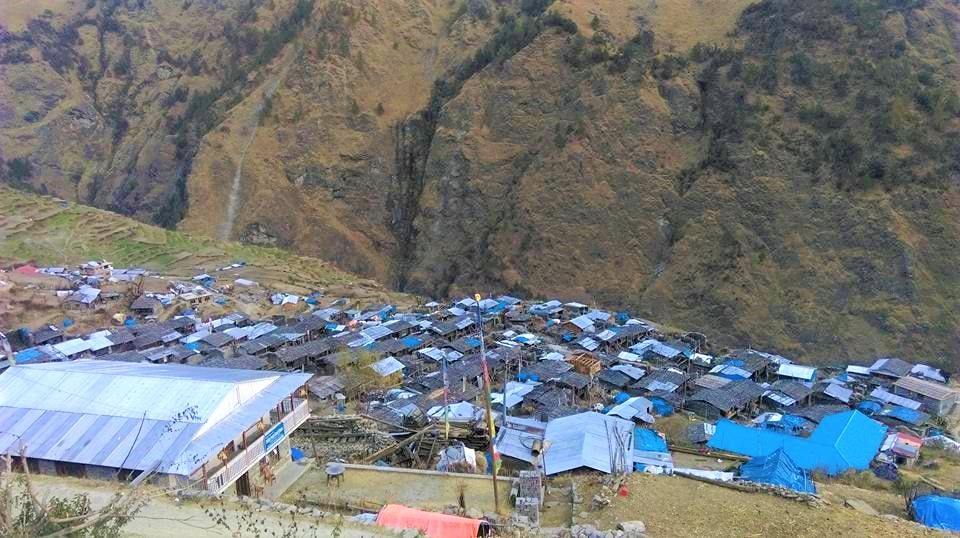
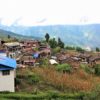
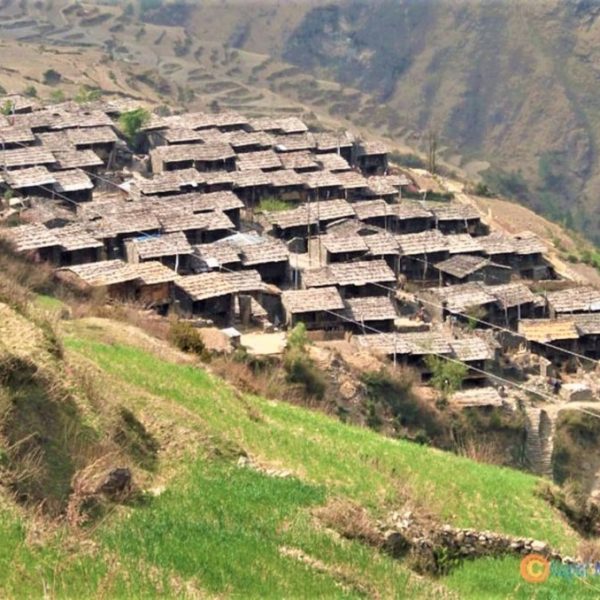
6 hrs trek over track zig-zags to the west up to Bahun Danda Pass and then down to the Tamang settlement of Gatlang, a cornerstone village on the Tamang Heritage Trail or hike to Gatlang through the way of Chawatar. Gatlang is a Tamang village with unique customs and craftsmanship in a magnificent setting. Above lies Parvati Kund, popular during Janai Purnima when thousands of pilgrims are attracted to the sacred pond and nearby temple. - Gatlang – Somdang 3271 m :
6 hrs Trek. The trail ascends through pine and rhododendron forest to a lunch point at Yuri Kharka before continuing to Khurphu Bhanjyang and then dropping down to the Somdang River, the border between Raceway and Dhading districts. - Somdang – Pangsang Pass (3842 m) :
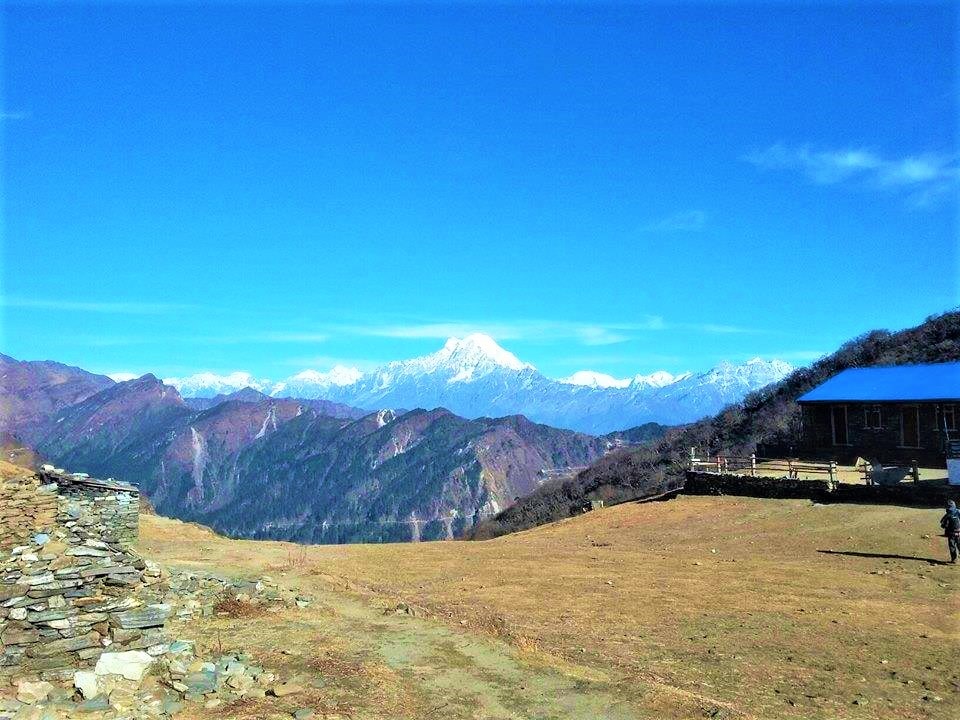
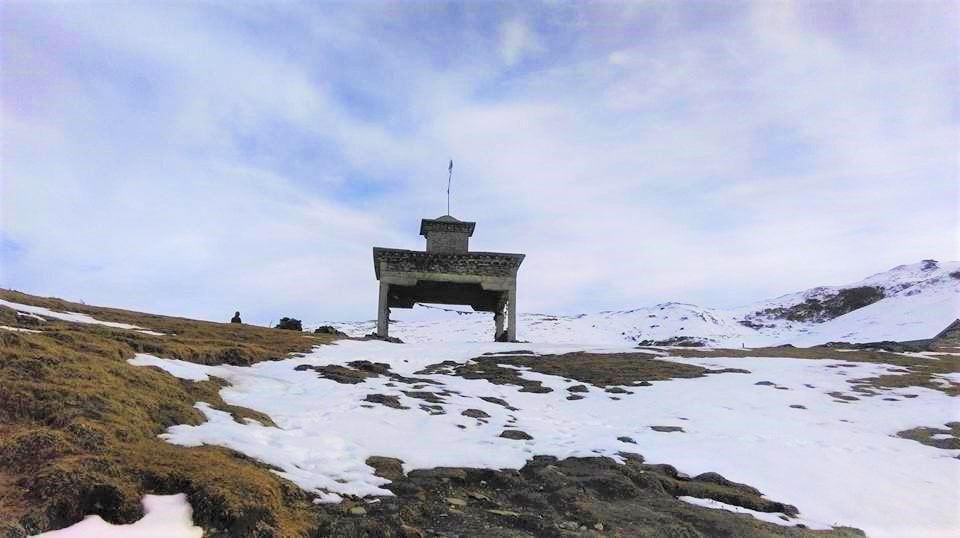
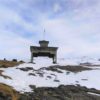
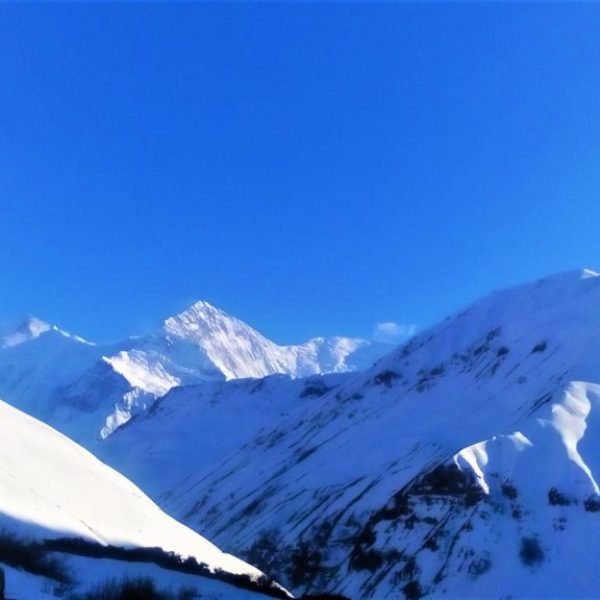
Pangsang Kharka is a viewpoint southwest of Somdang village with a broad panorama of the surrounding terrain. To the north are the soaring peaks of Manaslu and the Ganesh Himal Range. The large meadow is graced with a giant entry gateway and is a sensational location for camping and taking in the breathtaking scenery. The whole Ganesh Himal region is blessed with abundant herbal plants. - Pangsang Pass – Tipling :
This is a day to explore around the place and acclimatize and take rest. - Tipling –Sertung- Chalish (1900m.) 4 hrs:
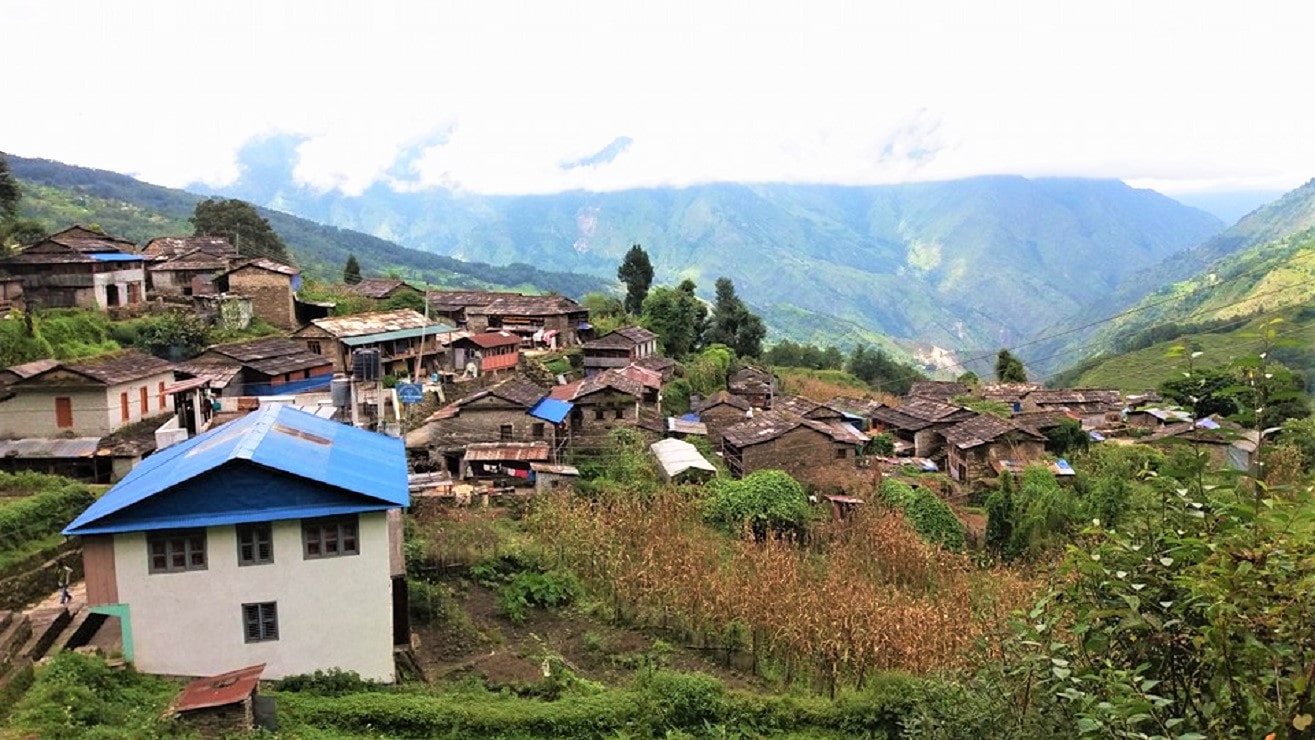
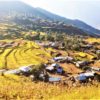
Descend to cross the Adha Khola (means half river) on a box bridge and ascend to the sister villages of Shertung and Chalish, regally overlooking the fertile river valley and abundant fields. Sertung is inhabited mainly by Tamang. The name Shertung means ‘place of gold’. - Chalish-Borang – Darkha Gaun (850 m) 6 hrs.:
After breakfast, trek all the way to Borand and down to Listen Khola (3 ½ hours walking) and trek continue to Percho where stop for lunch and trek continue further to Darkha Gaon. Passing through suspension bridges, breathtaking views of Ankhu Khola. - Darkha Gaun – Darkha Phedi – Dhading Besi – Kathmandu :
After breakfast trek all the way down to Darkha Phedi taking 45 minutes downhill walk. Thenafter drive sharing local Jeep with other people and arrive in Dhading Besi after 3-4 hours rough and tough zig –zags road. - Kathmandu Farewell :
The trip comes to an end. Final departure.
Ruby Valley Trek lies in the northern part of Nepal, at the foot of Mount Ganesh Himal, and offers a remarkable diversity of scenery. The trek starts either from Dhading district or after a drive to Syabru Besi by local bus, which takes 8-9 hours on rough roads. Along the way you’ll pass through various villages of the Tamang ethnic group – Gatlang village is one of the stopovers on the famous Tamang Heritage Trek. During this trek, you’ll have plenty of opportunities to engage with Nepali culture, the Tamang people, and the way of life of those living in the Himalayas.
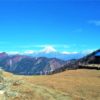
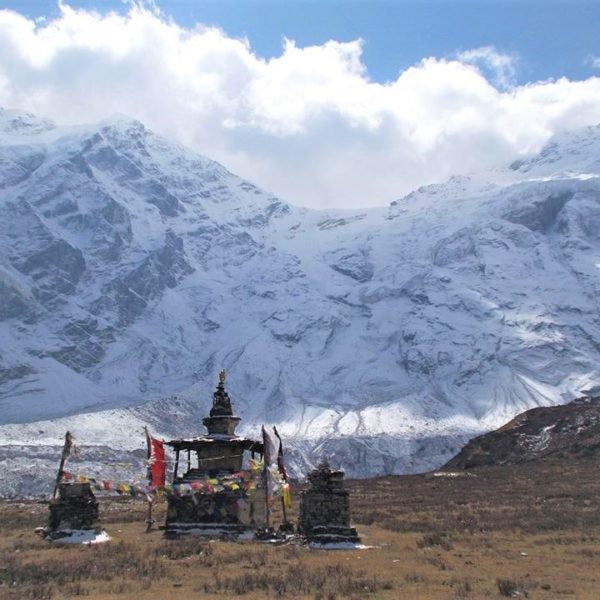
Ruby Valley Trek takes you to the foot of Mount Ganesh Himal, walking through tall pine trees, thick jungle and rhododendron forest. For three days you’ll walk mostly through jungle before the wide trail reaches Pangsang Pass at an elevation of 3,842 m. From the top, you can enjoy views of Mount Manaslu and the Langtang Himal range.
Nepal Highlights:
Holiday season in Nepal. Additional info on “Ruby Valley Trek”.
Nepal can be visited at any time of year. That said, a word of warning: the country does see some natural hazards, such as severe flooding during the monsoon season (mid-July to mid-August) and extreme cold in the Himalayas (late November to mid-December). Nepal has both hills and high mountains, and those mountains are one of the reasons the country is so rich in water resources (fast-flowing rivers, beautiful lakes). Heavy or even moderate rain over 3-4 days can cause flooding in the lowland regions, so caution is needed when visiting those areas during the monsoon. Elsewhere, in the hill regions, outside of monsoon season the sun still shines during the day even in winter, making for a warm, pleasant and comfortable season to travel.
Seasons in Nepal. Additional info on “Ruby Valley Trek”.
Nepal recognises six seasons: Basanta Ritu (spring), Grishma Ritu (early summer), Barkha Ritu (summer monsoon), Sharad Ritu (early autumn), Hemanta Ritu (late autumn) and Shishir Ritu (winter).
Aside from the monsoon (early July to end of August), every season is suitable for a holiday. Yetiland-nepal.de advises against travelling in Nepal’s lowland regions during the monsoon.
Summer can be hot, with temperatures rising to around 25-40°C depending on location.
In the upper Himalayan region, summer temperatures can reach up to 30°C, while in the lowland Terai region, mainly in the southern part of Nepal, they can reach as high as 40°C.
Winter is mostly sunny during the day and cold in the mornings and evenings. If you’ve experienced winter in Greece, it feels somewhat similar to winter in the capital, Kathmandu – though the two aren’t really comparable. From around mid-December, the sun keeps things warm during the day, while evening temperatures can drop sharply to around 5°C, and considerably below 0°C in the Himalayas.
Similar offer to Ruby Valley Trek
Background info for Ruby Valley Trek

Reviews
There are no reviews yet.